Who's Taking Care of the Person Taking Care of Everyone Else?
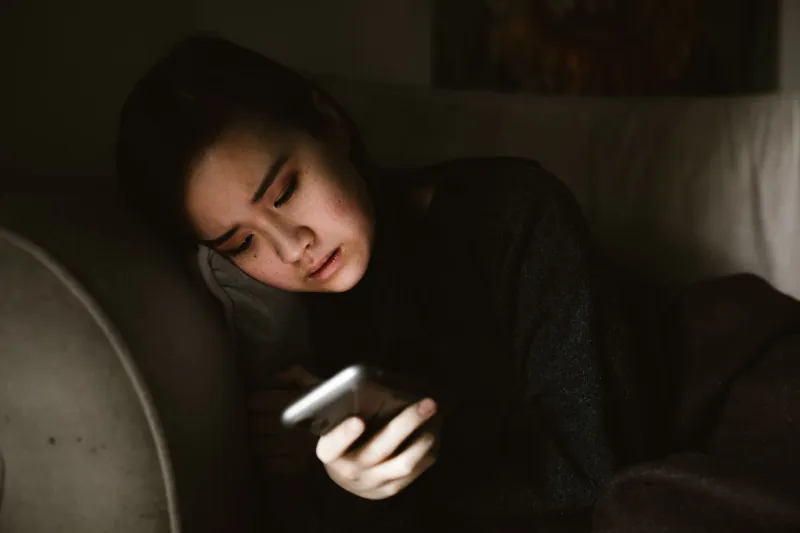
There's a version of this story that sounds like a complaint you're not supposed to have. You built an audience. People love you. They watch your videos at 2 a.m. when they can't sleep, they send you messages saying you saved their life, they buy your merch and defend you in comment sections like you're blood. And somehow, after all of that, you're the one who needs help?
Yeah. That's exactly what's happening.
The Job Nobody Fully Describes
When people talk about what it takes to build an online following, the conversation almost always lands on strategy — consistency, thumbnails, hooks, the algorithm, brand deals. What rarely makes the list is the emotional infrastructure required to maintain a persona that exists in constant relationship with strangers.
Because that's what a lot of creators are actually doing: sustaining a relationship. Not with one person, but with thousands. Sometimes millions. And like any relationship, it demands energy, presence, and the performance of being okay even when you're not.
The difference is that most people can go home after work and stop performing. Creators can't. Their home is the performance space. Their face is the product. Their moods, their struggles, their "authentic moments" — all of it gets fed into a content machine that doesn't really take days off.
Therapists who work specifically with creators describe this as a kind of chronic emotional labor with no clear off-switch. You're not just making content. You're being perceived, constantly, by people who feel they know you — and who, in some cases, feel entitled to that knowing.
When Support Flows in One Direction
The parasocial relationship — where an audience develops a one-sided emotional bond with a creator — has been studied and written about plenty. What gets less attention is what happens on the other side of that dynamic.
Creators often internalize a responsibility for their audience's wellbeing that goes way beyond what any reasonable job description would include. They read the comments. They see the person who says watching their channel is the only thing getting them through a rough patch. They feel that. And then they make the next video, and the next one, carrying all of it.
Over time, that weight compounds. The audience grows, the messages get more intense, and the creator is still expected to show up — upbeat, relatable, themselves — while quietly managing what amounts to a massive, ongoing emotional load.
Some creators have started describing this publicly. Burnout videos. "Taking a break" announcements that hint at something heavier underneath. The occasional raw, unedited post that drops the persona for a minute and shows something real. Audiences tend to love those moments. Which, if you think about it, creates its own complicated loop.
A New Kind of Therapy for a New Kind of Job
What's genuinely new is the infrastructure quietly building around this problem. A growing number of therapists and mental health practitioners in the US are now positioning themselves specifically for clients in the creator space. They understand the specific texture of what it means to have your identity publicly consumed, to deal with hate comments as an occupational hazard, to feel guilty for not posting when you're grieving, or to lose your sense of self when a platform's algorithm decides you're no longer relevant.
Creator-specific mental health programs have started appearing — some attached to talent management companies, others independent. Peer support groups, often organized through private Discord servers or invite-only communities, give creators a space to talk to each other without the conversation becoming content.
The fact that these resources need to exist at all says something important about how far the creator economy has drifted from what anyone imagined it would be. It was supposed to be freedom. And in a lot of ways, it is. But freedom with an audience of 800,000 people watching your every move carries its own particular kind of cage.
The Vulnerability Trap
Here's where it gets genuinely strange: vulnerability has become one of the most effective content strategies online. Sharing your struggles, your bad days, your mental health journey — it builds connection. It drives engagement. Audiences reward it.
Which means creators are in the odd position of having a professional incentive to be open about the very things that are breaking them down. And then having to manage the response to that openness — the concern, the projections, the parasocial closeness it generates — on top of everything else.
It's not cynical to point this out. Most creators who share personal struggles are doing so genuinely. But the system around them turns that genuineness into a performance metric, and that distortion has real psychological consequences. When your healing becomes your content, it's hard to know where the healing ends and the performance begins.
What Actually Helps
Creators who have navigated this and come out the other side tend to describe a few common shifts. Setting hard limits on comment engagement — not reading them at all, or designating specific times for it rather than letting it be a constant ambient presence. Building relationships outside the platform, with people who knew them before the following existed. Finding a therapist who actually gets what the job involves, not one who treats "internet famous" like a punchline.
Some have restructured their content entirely — moving toward formats that require less emotional exposure, or building team structures that put distance between themselves and direct audience interaction. Others have gone quieter, made peace with a smaller footprint, and found that the version of themselves that posts less is the one who's actually doing okay.
None of this is a tidy solution. The creator economy isn't set up to reward people who protect their mental health. Platforms don't build in rest. Algorithms punish absence. The financial pressure to keep going is real, especially for creators whose livelihood depends on consistent output.
The Part Nobody Talks About Enough
The audience rarely sees any of this. They see the video, the post, the stream. They see the person who seems to understand them, who makes them feel less alone. And that connection is real — it matters, it has value, it does genuine good in a lot of people's lives.
But it's built on a foundation that nobody really designed to be sustainable. The person on the other side of that screen is not a character. They're someone doing an incredibly weird, emotionally demanding job with very few guardrails and a lot of people watching.
Maybe the most honest thing the creator economy could do right now is admit that the people holding it together need support too. Not just management deals and brand partnerships. Actual support. The kind that doesn't end up in a video.