Performing Realness: How the Hunt for Authenticity Became the Internet's Most Elaborate Act
Somewhere along the way, being yourself online became a full-time job.
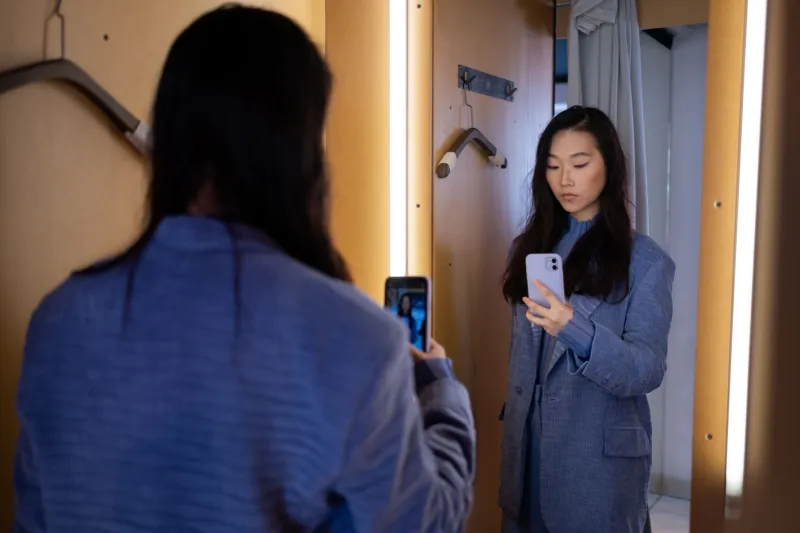
Not in the obvious influencer sense — the ring lights, the brand deals, the carefully timed posting schedules. That kind of performance has always been visible enough that we could call it what it was. The new thing is sneakier. It's the creator filming themselves crying in their car at 11pm and calling it a "check-in." It's the "no makeup" selfie that took forty-five minutes to compose. It's the rambling voice memo posted to Instagram Stories that was actually recorded three times before it felt rambling enough.
Authenticity, the thing the internet swore would save us from the polished fakeness of traditional media, has become its own elaborate costume.
The Realness Arms Race
It started with a genuine impulse. Around the early 2010s, audiences got exhausted by the glossy unreality of celebrity culture and the aspirational lifestyle content that dominated early Instagram. They wanted something that felt human. Creators responded by getting messier — sharing mental health struggles, filming cluttered apartments, admitting to failures. And for a while, it worked. It felt like a breath of fresh air.
But the internet does what the internet always does: it identified the pattern, reverse-engineered the formula, and scaled it.
Now "authenticity" is a documented aesthetic with its own conventions. Slightly shaky camera? Check. A pause before answering a question, like you're actually thinking? Check. Mentioning something unflattering about yourself early in the video so the audience trusts you for the rest of it? That's not vulnerability. That's a cold open.
The rules of performing realness are so well-established at this point that entire creator coaching industries have sprung up to teach them. There are courses on how to "show up authentically" on camera. There are consultants who help brands find their "genuine voice." The word authentic now appears in more marketing briefs than almost any other adjective, which should tell you everything about how thoroughly it's been colonized.
The Psychological Tax Nobody Talks About
Here's where it gets genuinely uncomfortable. The performance of authenticity doesn't just affect audiences — it does something strange and exhausting to the people doing it.
When you're a creator whose entire brand is being "real," every actual real moment in your life becomes a potential content decision. You wake up feeling terrible and the first thought isn't I feel terrible. It's do I post about this? Should this be a story? A longer video? Does sharing this serve the audience or does it serve me? Is it too much? Not enough? Will people think I'm farming sympathy?
The monitoring never stops. Every genuine emotion gets filtered through a layer of strategic consideration before it ever reaches an audience, and that filter — the one that decides what version of real is acceptable to show — is about as far from unfiltered as you can get.
Psychologists have a term for the experience of performing an emotion so consistently that you lose track of whether you're actually feeling it: emotional labor. It was coined to describe flight attendants trained to smile regardless of how they felt. It now describes half of creator culture.
When the Audience Becomes the Judge
Make it messier. Audiences have become sophisticated enough to sniff out performed authenticity, which means creators have to keep escalating the realness to stay ahead of the skepticism. The bar for what counts as "genuine" keeps rising, and the effort required to clear it keeps rising with it.
A few years ago, posting without a filter was brave. Now posting without a filter is expected, and if your no-filter post looks too good, people will say you have a filter. There are comment sections dedicated to forensically analyzing whether a creator's "candid" moment was staged. The scrutiny is relentless, and it creates a bizarre feedback loop where the audience's demand for authenticity is itself the thing making authenticity impossible.
This is the trap at the center of the whole thing. The more desperately people want to see something real, the more pressure they put on creators to perform realness, which makes everything less real. It's a machine that eats itself and somehow keeps running.
The Ones Who Are Doing It Differently
There's a small but growing contingent of creators who've decided to opt out — not by going offline, but by being openly, almost aggressively, constructed. They lean into the artifice. They make it obvious that they're performing, that everything is a bit, that the camera is always on and everyone knows it.
There's something almost refreshing about it. When nothing is presented as real, you're not being deceived. The contract between creator and audience is honest in a way that "authentic" content rarely is. You know what you're getting: a show. And sometimes a show, clearly labeled as such, is more trustworthy than a performance disguised as a diary entry.
It's also, weirdly, where some of the most genuinely interesting content lives right now. When creators stop trying to convince you they're unguarded, they sometimes actually become unguarded. The pressure drops. The performance relaxes. Something that isn't quite authenticity but rhymes with it starts to come through.
What We Actually Mean When We Say We Want Real
Maybe the problem is the word itself. "Authentic" has been stretched so far that it's lost structural integrity. What audiences actually seem to want isn't unfiltered access to someone's life — that would be surveillance, not content. What they want is the feeling of being trusted. The sense that the person on the other side of the screen is treating them like an adult, not a demographic.
That's achievable without the car-crying videos. It's achievable without the strategic oversharing. It just requires a different kind of honesty — one that admits the frame exists, that everything shown is a selection, that no one is ever fully knowable through a screen.
The creators who seem to get this don't try to convince you they're raw. They're just clear about what they are and what they're doing, and they trust you to meet them there.
That's not authenticity in the way the internet currently sells it. But it might be the closest thing to the real version we're going to get.